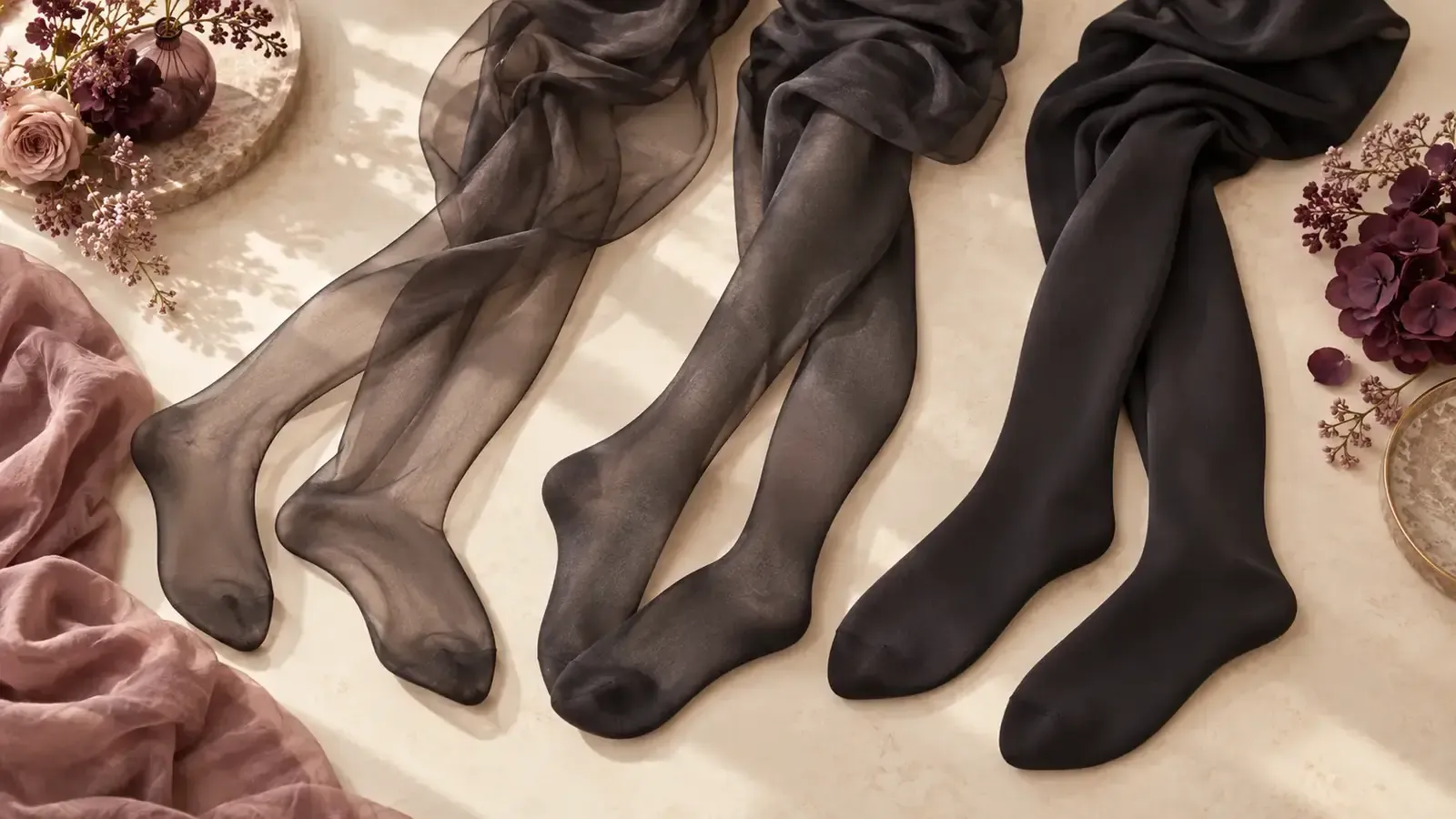
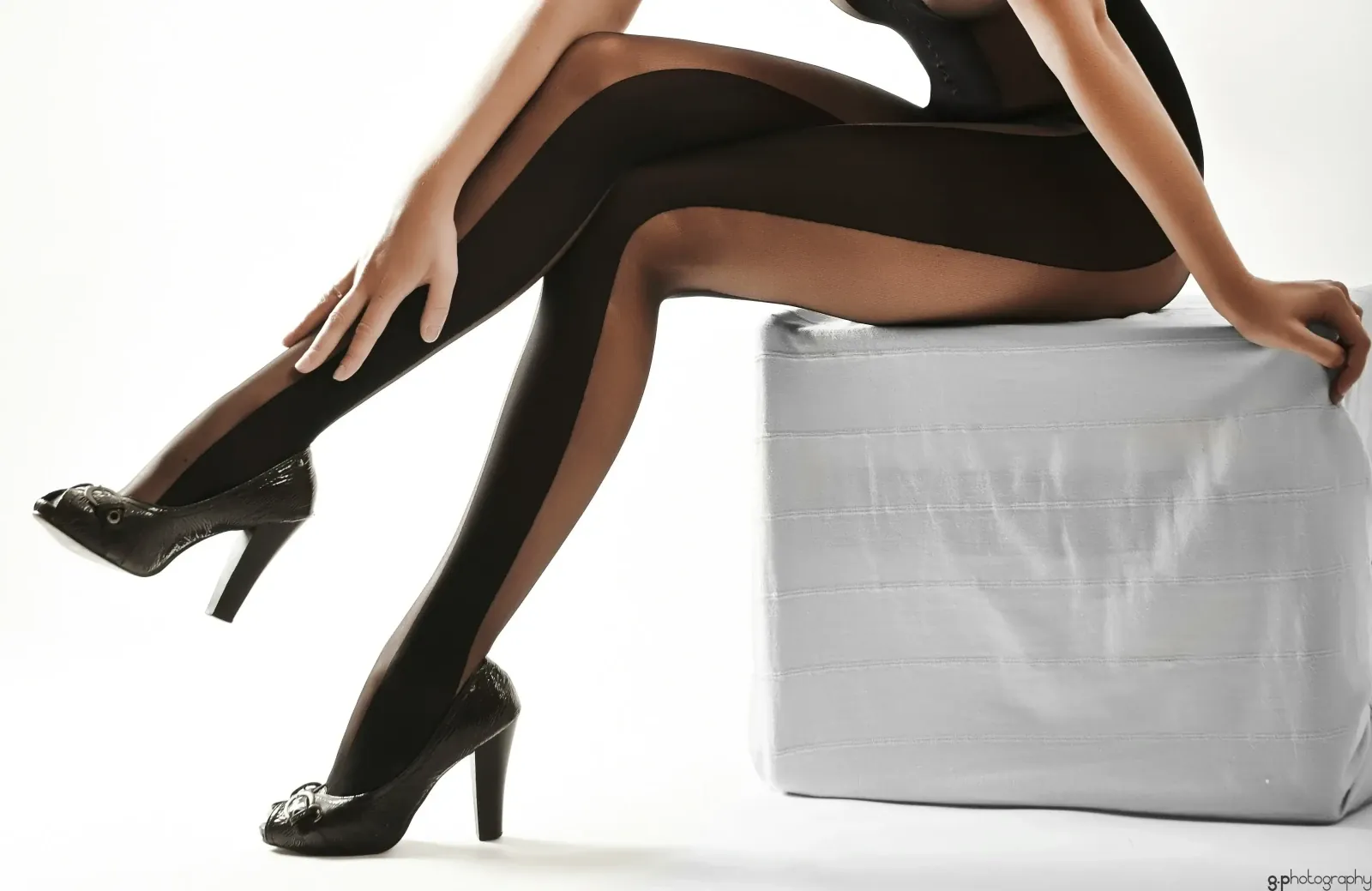
The Best Tights for Winter
Winter tights are about more than thickness. Here is what to look for to stay warm without losing the look you want.
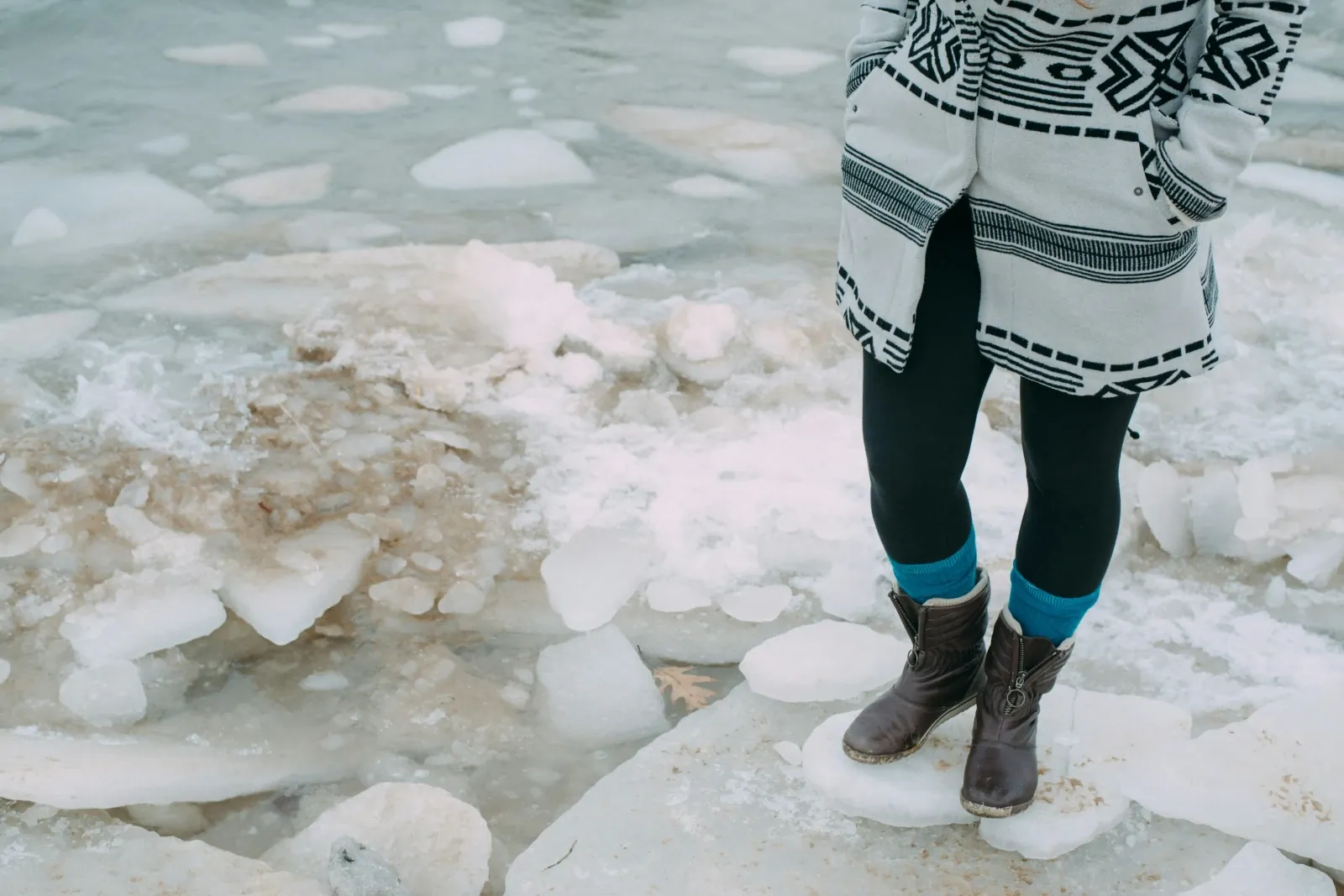
When the temperature drops, the sheer tights you reached for all summer stop being enough. The good news is that winter hosiery has improved enormously: you no longer have to choose between warmth and a polished look. The trick is knowing which details actually make a difference.
Start with denier
For winter, look for tights of at least 70 denier, and consider 100 denier or more for the coldest days. The higher the denier, the denser the knit and the more air it traps, which is what keeps you warm.
As a rough guide:
- 70–80 denier — a solid opaque for cool days and autumn.
- 80–100 denier — a proper winter weight for most climates.
- 100 denier and above — heavy, thermal or fleece-lined pairs for real cold.
Denier is only the beginning, though. Two 100 denier pairs can perform very differently once the fibre and construction come into play. Our guide to denier explains the numbers in more depth.
The fabrics that make a difference
| Fibre / finish | What it gives you | Worth knowing |
|---|---|---|
| Cotton blend | Breathable, soft, comfortable for everyday wear | Slower to dry; less warm when damp |
| Wool or merino blend | Exceptional warmth without bulk; temperature-regulating | Needs gentle washing; usually pricier |
| Fleece-lined | A brushed inner layer that traps air for insulation | Adds bulk; check the fit |
| Thermal knit | Engineered structure for cold weather | Often the warmest non-bulky option |
| Plain polyamide blend | Durable, stretchy, easy to care for | Warmth depends on the knit and denier |
If you run cold, a wool blend or a thermal knit will serve you better than simply going up in denier. If you want an easy, everyday pair, a cotton or polyamide blend at 100 denier is a comfortable middle ground.
Warmth without bulk
The old image of winter tights as thick, itchy and shapeless no longer holds. Modern thermal tights use fine fibres and clever knits to trap warmth without adding much weight, so they sit smoothly under tailored trousers and dresses.
Look for these details:
- A comfortable, wide waistband that will not dig in when you sit.
- A flat seam or cotton gusset for comfort.
- Opaque coverage to the waist, so there is no sheer panel under a shorter hem.
- A matte finish, which looks warmer and more understated than a high sheen.
Layering for cold days
If you need more warmth than a single pair provides, layering works beautifully — it is simply two thin layers instead of one thick one.
- Start with a close-fitting pair against the leg, such as an opaque 40–60 denier.
- Add an opaque or thermal pair over the top.
Choose similar colours so the layers read as one, and make sure the outer pair is not so tight that it strains or restricts movement. For the coldest days, a thermal pair over a fine opaque is often warmer than any single pair. If you are layering under trousers, keep both layers smooth to avoid lines.
What to avoid
- Overly tight tights. They restrict movement, feel colder and roll at the waist.
- Fabrics that make you clammy. Breathability matters as much as thickness; if you overheat indoors, you will feel cold the moment you step outside.
- Wearing the same pair day after day. Rotating several pairs spreads the wear and keeps each one in better condition.
- Ignoring care. Winter tights are an investment; washing them properly makes them last for seasons, not weeks.
Building a winter capsule
A small, well-chosen set covers almost every cold-weather situation:
- One pair of black opaques (around 80–100 denier) for everyday wear.
- One pair of thermal tights for the coldest days.
- One pair in a deep neutral such as charcoal, navy or plum for variety.
- Optionally, one wool-blend pair if you feel the cold keenly.
That is enough to rotate through a winter and keep every pair looking good.
Caring for winter tights
Thicker tights are hardier, but the care rules are the same: cool water, a gentle detergent, no fabric softener (especially on wool blends) and never the tumble dryer. Lay them flat to dry so they keep their shape. Our full washing routine is worth a read before you wash a wool or thermal pair for the first time.
Frequently asked questions
What denier should winter tights be?
Aim for at least 70 denier, and 100 denier or more for genuine cold. If warmth is the priority, choose a thermal, brushed or wool-blend pair rather than relying on denier alone.
Are thermal tights worth it?
For cold climates and cold-natured wearers, yes. Thermal and fleece-lined tights are noticeably warmer than plain opaques of the same denier without adding much bulk.
Can you wear winter tights with a dress?
Absolutely — that is what they are for. Choose an opaque pair to the waist so there is no sheer panel at the hem, and match the tone to your shoes for a long, clean line.
How many pairs of winter tights do you need?
Three or four well-chosen pairs are plenty if you rotate them. A black opaque, a thermal pair and one deep colour will cover most days.
The short version
Choose 70 denier or higher, favour warmth-friendly fibres such as wool, cotton or thermal knits, and layer when needed. Warmth and polish are not mutually exclusive — a good winter pair gives you both. For how the different finishes look, see sheer vs opaque tights explained.